Teen Patty Rules Explained For Clearer Casino Play Down Under
When you sit down to a card game on a wet Sydney arvo, knowing the mechanics before the first deal keeps the session measured and the bankroll intact. Teen patti rules explained here focus on the decisions that actually move money, not the folklore that pads a night out. The game is fast, social, and unforgiving if you guess instead of calculate. Speed Baccarat Rules Explained For Faster,
How the deal and the blinds shape your first move
A standard 52-card deck feeds every hand, and three cards land face down to each player after the boot is posted. Players then choose between seeing their cards for an extra ante or playing blind, which costs less but removes any view of the hand. The betting rounds follow a fixed sequence: a pre-show round, a show option, and a final side pot if more than two players remain in contention. In my work building data partnerships across financial services and elite sport, I have seen the same pattern repeat – the early structure of a product determines how often people act on impulse rather than evidence. Teen patti rules explained with that lens make the blind option look less like a thrill and more like a priced risk.
Reading the hand and the timing that changes value
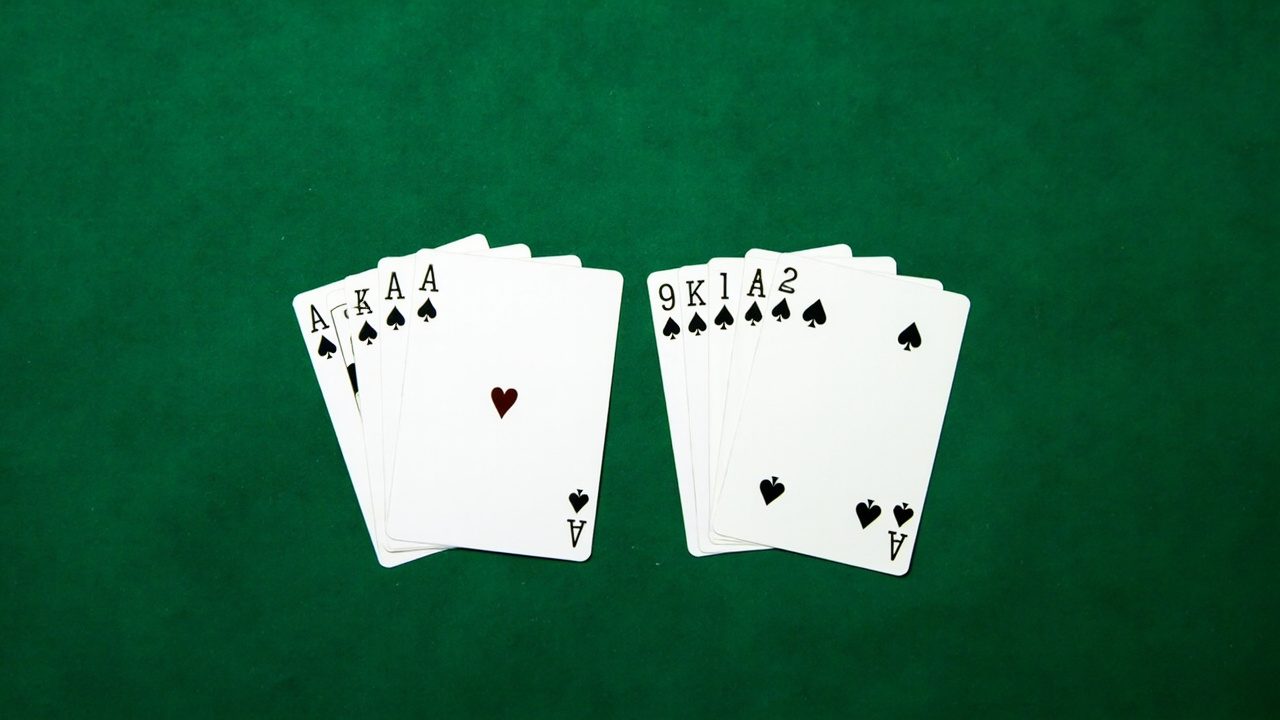
The ranking runs from high card up to a trail, or three of a kind, with a pure sequence of three consecutive cards sitting at the top. A flush of three suited cards beats most single high cards, and the showdown happens only when players agree to open their hands or the action collapses to one remaining player. Timing matters because a delayed show can force weaker hands to fold, while an early show can lock in a pot before the table overreaches. When I have evaluated betting products for telecommunications clients, the useful metric was never raw traffic but the rate of decisions made under uncertainty. The same applies here: the players who keep a clear record of what they paid to see, what they paid to call, and what they conceded tend to leave with more than the ones who chase every round.
- Post the boot before you touch your cards, so the cost of the hand is locked in.
- Choose blind only when the table is tight and the pot odds justify the missing information.
- Fold early on weak high cards rather than paying to see a showdown you are unlikely to win.
- Track the size of the pot relative to your remaining stack, not the excitement of the last hand.
Where the game fits and where it does not
This is a social, short-cycle game that rewards discipline more than long study, which makes it a reasonable fit for players who want a quick session with a clear exit point. It is less suitable for anyone who treats each hand as a puzzle to solve with a system, because the deck does not remember you and the outcomes do not smooth out over a single night. The practical question is whether the table you join matches your tolerance for variance and your willingness to pay for information you may never use. If you prefer a slower pace with more visible structure, you can compare the rhythm to other card formats such as speed baccarat rules explained for faster, smarter play, which shifts the emphasis from multi-way bluffing to a tighter, more time-bound decision loop.
A quick verdict on who should sit in
The players who get value from teen patti rules explained are the ones who treat the boot, the blind premium, and the show timing as real costs rather than background noise. If you can keep your session to a fixed window, walk away when the table turns noisy, and accept that a fair go means folding when the price is wrong, the game is usable and entertaining. If you are chasing a pattern that the deck cannot deliver, you will spend more time explaining losses than enjoying a hand.
That mindset also keeps you clear of the impulse bets that turn a steady session into a costly chase. If you want a quick way to test that discipline before you sit down, spend a few minutes on https://chicken-road-2-au.com/ to see how the same cost-aware principles hold up.